Tiriganiaq (CREW 19) Sol 4 Report 18-7-2026
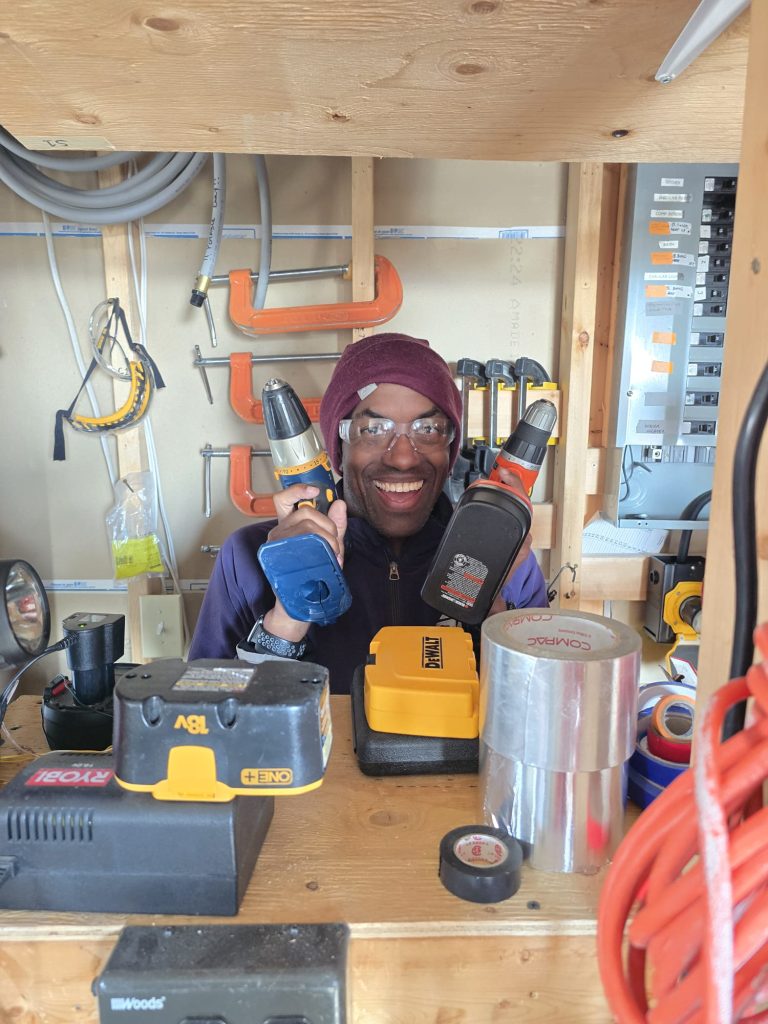
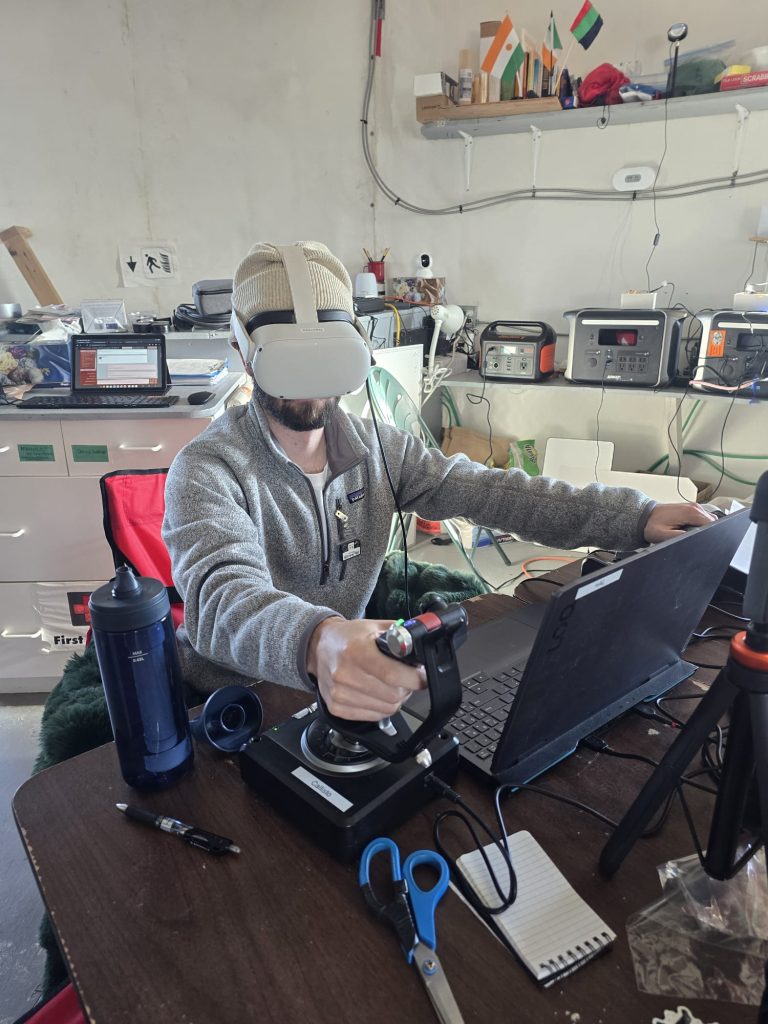
After such a long EVA on Sol 3, the schedule called for a less physically demanding day. Crew 19 spent the morning doing maintenance tasks around the hab. Following lunch, Commander Trevor gave out orders for the rest of the day. Crew science officer Anderson and mission specialists Adrian and Rand would suit up and visit the nearby Trinity Lake and its surroundings to take samples of algae and water and measure permafrost depth at the same sites sampled and geotagged by Crew 17 last year. XO Laura would remain behind to support the EVA team on comms from the hab, and Trevor would use the time to evaluate a VR experiment on rover operation designed by researchers at the University of Colorado Boulder.
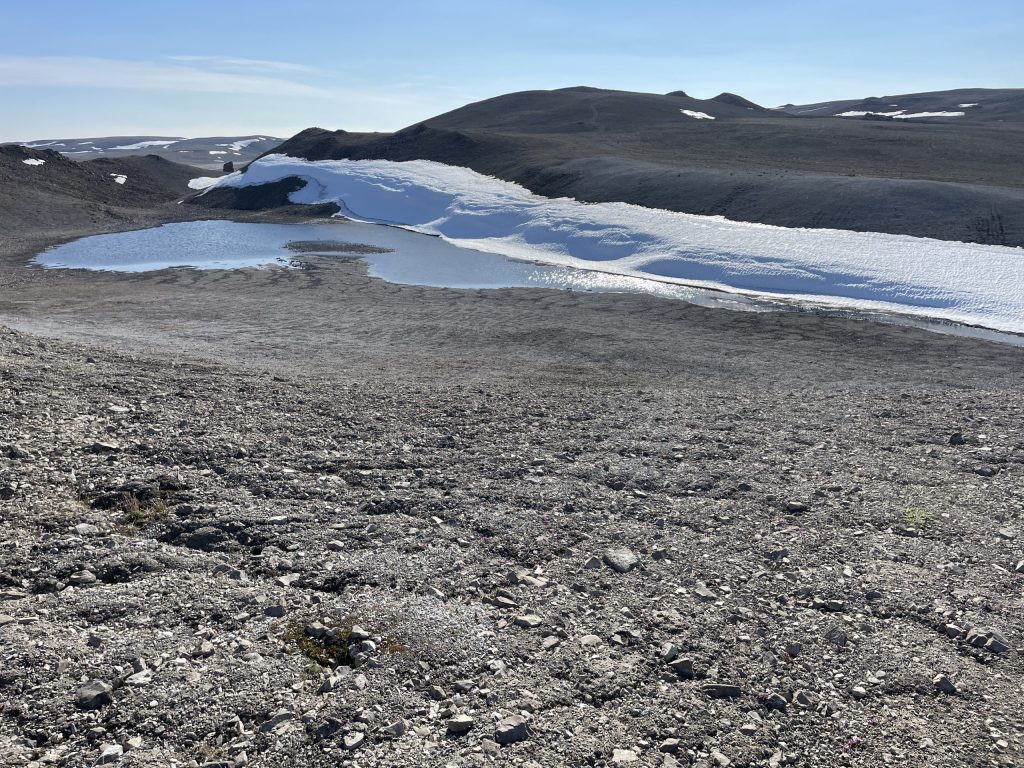
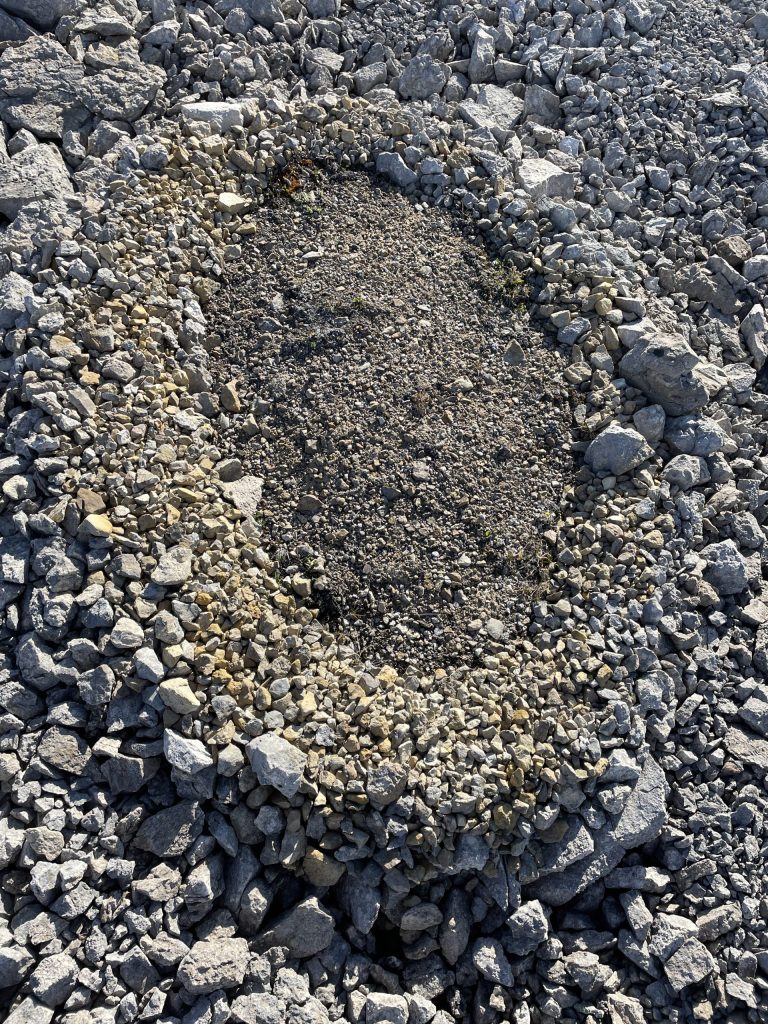
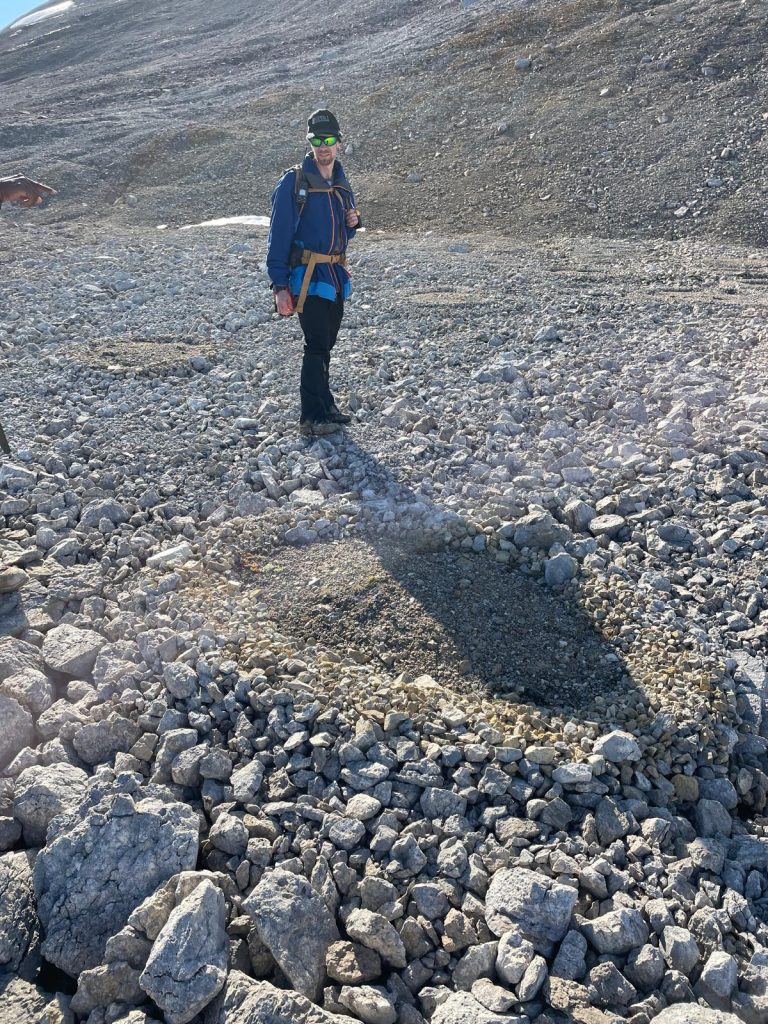
What we thought would be a short EVA turned into a much longer excursion. Trinity Lake, it turns out, was not a short distance due northeast from the hab but a few kilometers in the other direction. After some difficulties with a buggy data download to our GPS device, Adrian determinedly navigated the team to the first geotagged site where a bit of bright green algae went into his sample jar. A short distance away, Adrian dipped another jar into the flowing Trinity Creek to be tested for its nanoplastic levels. The EVA team next turned to the task of measuring the depth at which permafrost remains frozen, a process that required a keen ear to identify the light “crack” the measuring rod made when it reached the transition point. All of a sudden, Anderson stopped short and pointed to a distinctive shape on the ground: a convex oval of permafrost surrounded by a raised ring of yellowish rocks fringed by larger, gray rocks. Dozens such features dotted the landscape next to the creek. What could these be? The EVA team made abundant, wholly necessary jokes about evidence of extraterrestrials, geotagged the site as “Trinity crop circles” for future reference, and discussed possible causes on the way back to the hab. Could these have been created by the permafrost as it melted? Or made by animals? We aren’t sure yet, but mysteries like these elevate the fidelity of an analog mission. They also serve as a good reminders that we always have more to learn about our home planet, too.
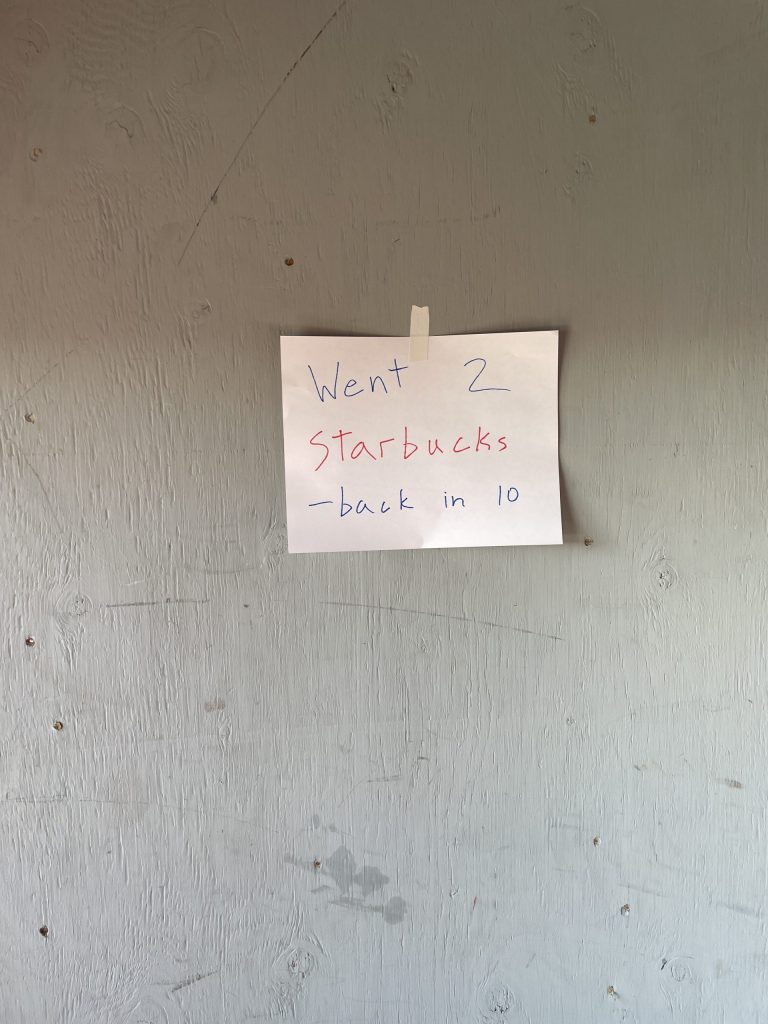
The away team returned to the hab hours later than originally planned. Three tired and hungry analog astronauts entered the airlock to await repressurization. The timing could not have been better for a practical joke by the command team.
As Commander Trevor noted, despite some unexpected twists this was a successful EVA. All science objectives were met, with no compromise to crew safety, and we were all back together with lots of new information we could use to improve preparation for EVAs moving forward.
Sol 4 was a highly productive day. Trevor put the VR experiment through its paces, taking notes on how to improve the equipment and programming for research use in future analog missions. Laura collected information from both the hab and EVA teams that will build upon her ongoing study of crew dynamics and individual acuity exerted across a wide range of mission tasks. Anderson, Adrian, and Rand successfully met the challenge of an EVA that required mental and physical agility, with some provocative mysteries to show for it.