Flashline-16 Daily Report 29-06-2024
Author: Michael Andrews – Crew Logistics
The MARS-16 started Saturday morning with the following objectives:
- Perform a basic local hike to assess physical fitness
- Review medical training, the cargo unload plan, and the simulation’s science schedule
- Verify all cargo arrived from Yellowknife
- Travel to Devon Island and restore the station to the basic condition needed to sleep inside
We enjoyed (what we believed was) our last hot shower and breakfast without preparation for some time, and quickly jumped into a morning agenda of crew training and mission planning. Health and Safety Officer Swarmer went over the basics of emergency response, first aid, and CPR with the team. What was expected to be a classic one-side training session turned into a very interactive meeting, as many crew members have previously had to administer emergency care in their careers. I also shared my 2-hour unloading plan with the crew. For context, our plane that arrives on Devon Island will stay on the runway for no more than 2 hours, and we have a complex series of steps needed to unload the plane, activate the station and its ATVs, and return as many drums containing human waste and unusable fuel to the plane in that time period. The team was broken up into sub-teams with specific tasks and overall objectives to make this time as effective as possible.
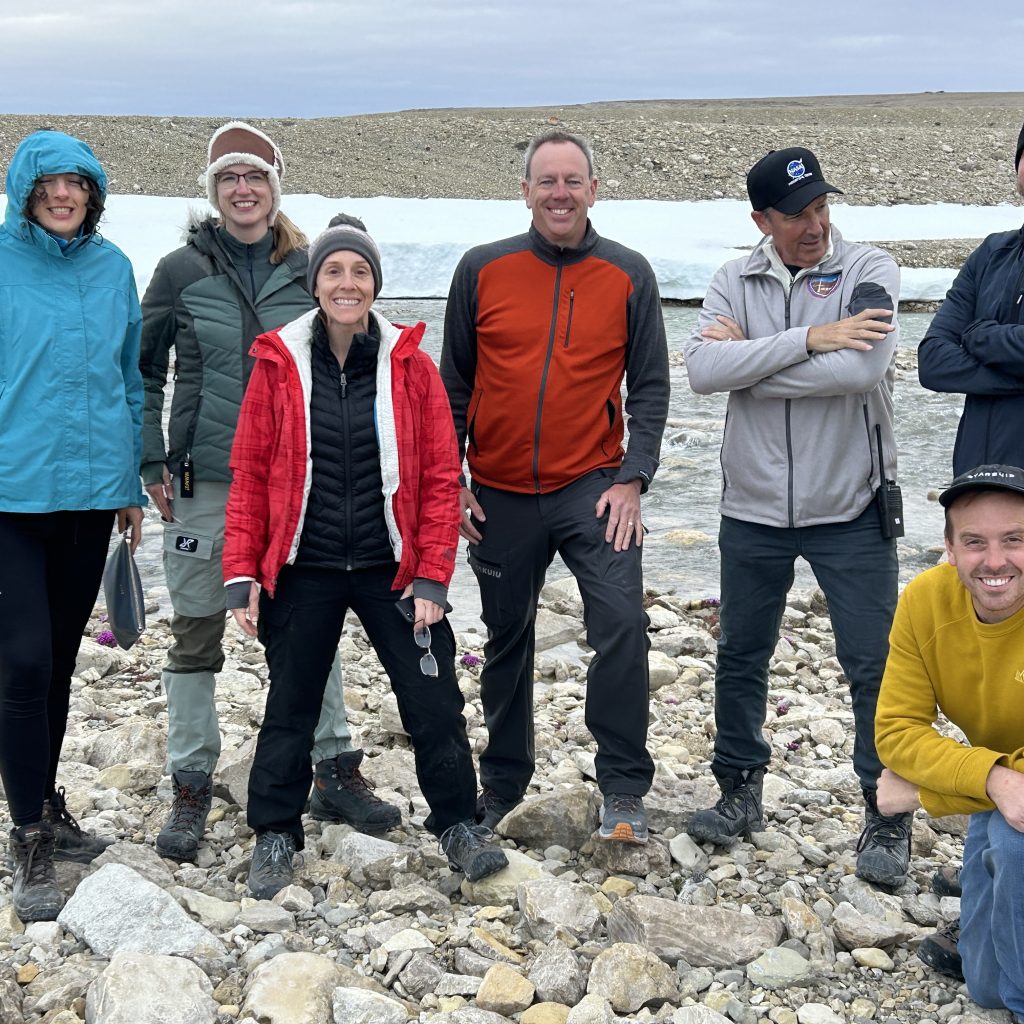
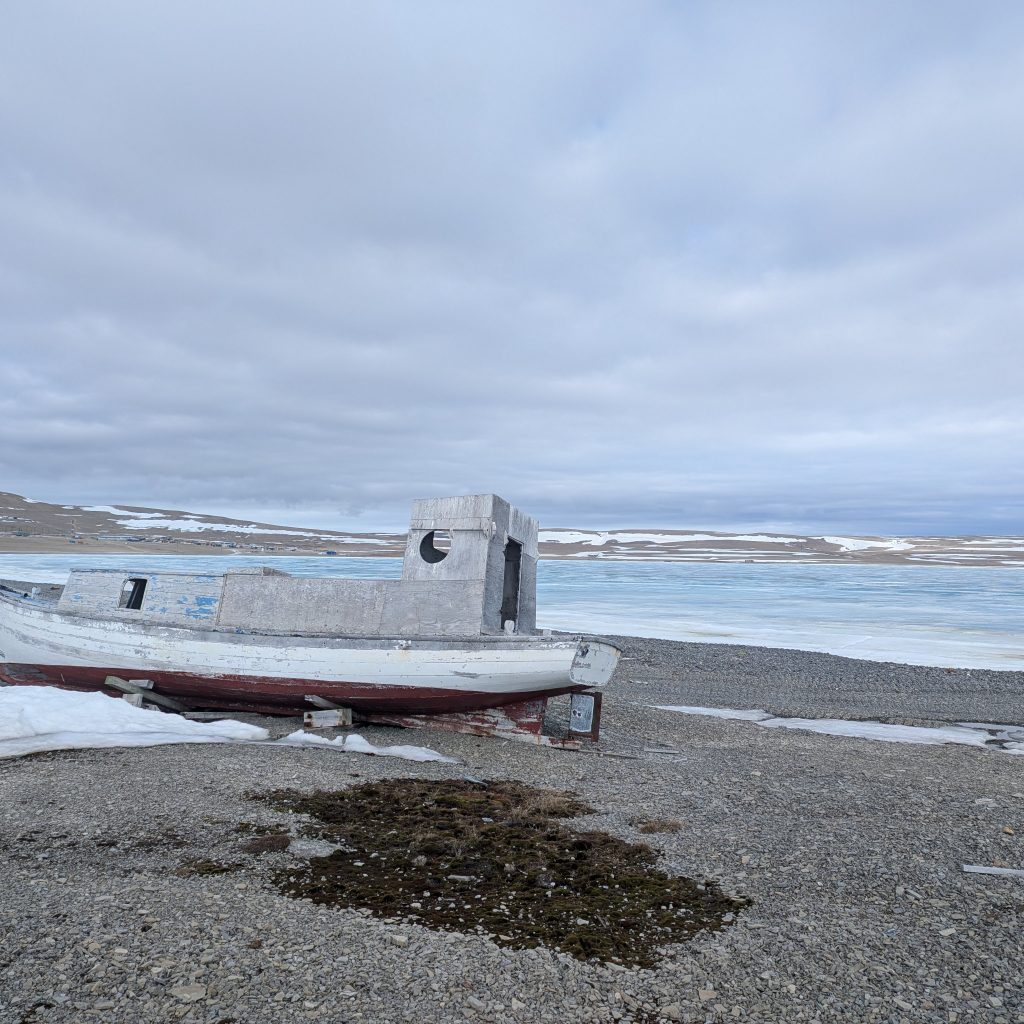
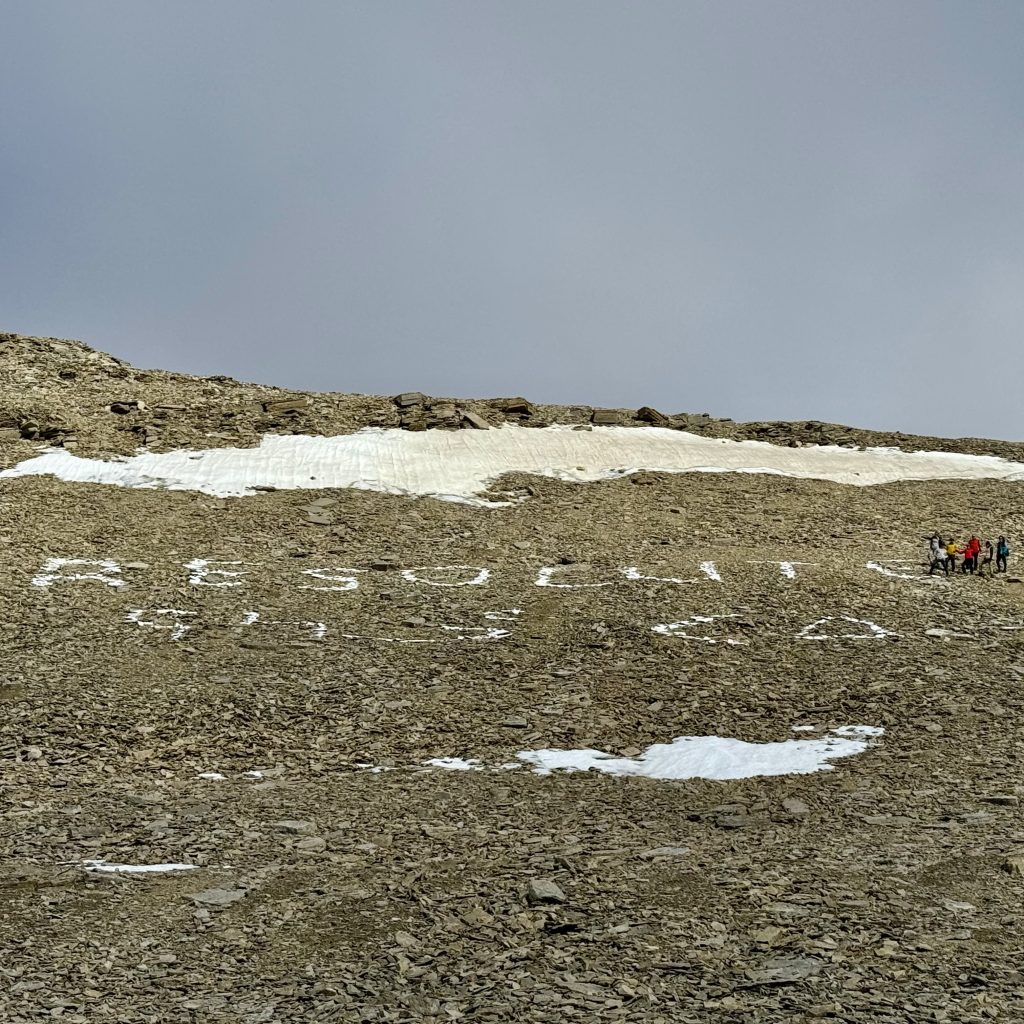
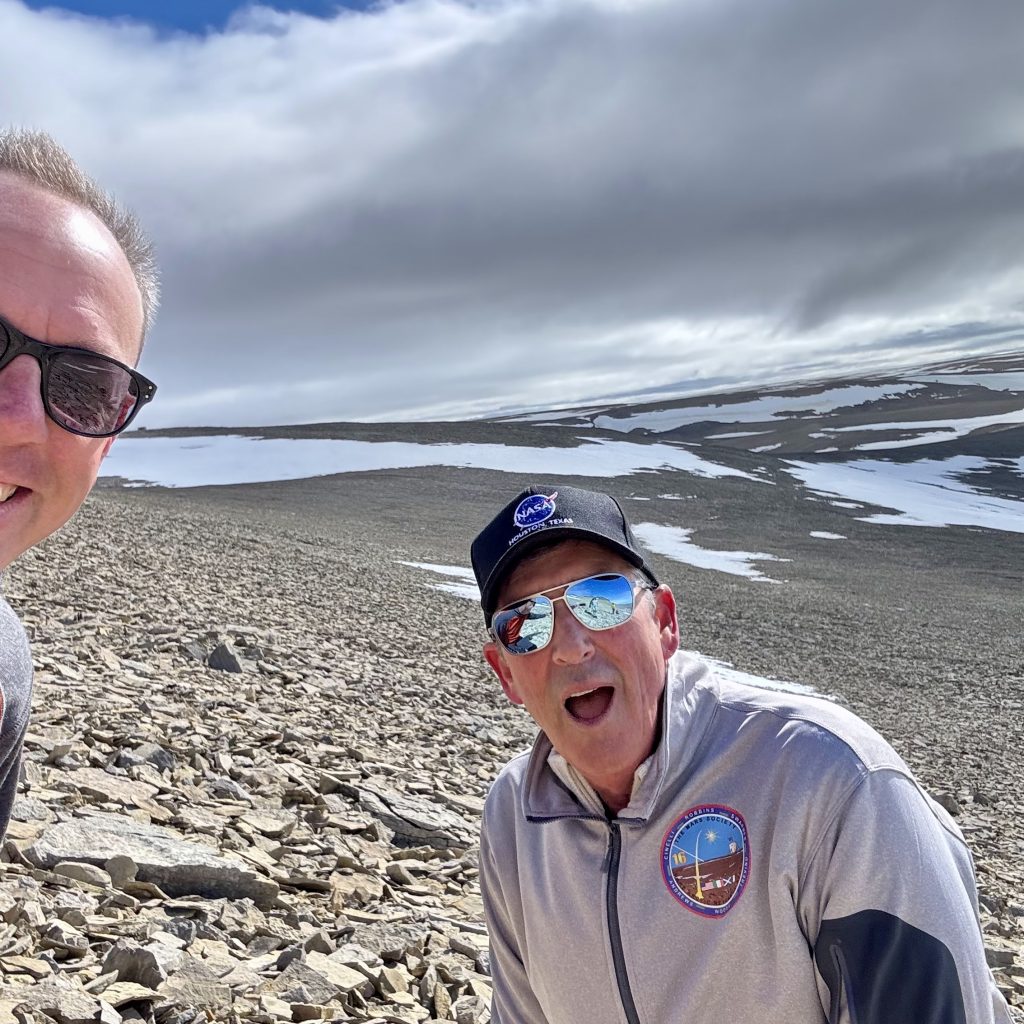
We took a recess by exploring the city of Resolute Bay. Some crew members took our hike up to Resolute’s mountain geoglyph as a way to test our fitness as a team, while others (read: Rhett and myself) took it as a competition to get to the top first. Officer Swarmer and Specialist Woods tested our satellite phone on the hike to call local emergency services, and we stopped at the local clinic to introduce ourselves and let them know about our imminent mission. I personally kept comparing each outdoor experience so far to the upcoming conditions on Devon Island. Would it be colder than this hike? Was the terrain I’m traversing be as rough as what I’d experience on EVAs?
Back at the lodging, our preparation continued. The new crew members became familiar with Chief Science Officer Nicholson’s science plan for the simulation, while Executive Officer Trevino went to our charter plane carrier to verify the contents of our cargo. Officer Nicholson’s objectives included investigating permafrost and lake water samples for nanoplastics, testing algal and stromatolite samples, and visiting notable landmarks like the bottom of Haughton crater. As for XO Trevino’s task, it’s important to note how we chose to deliver material to Resolute Bay in order to understand.
The logistics in the Canadian Arctic are not simple and require more planning than you would think. Cities that are relatively close to each other may have flight routes that are not intuitive, which dictate the duration and availability of shipments. The Mars Society has a good relationship with individuals in Yellowknife, so we are able to ship large equipment there and have them shipped all at once to Resolute, but it takes time and can only be done for equipment that arrives significantly early to the start of the mission. All other material must be checked on a typical airline flight as excess luggage with a crew member. But this option poses a risk: if we bring too much luggage on an airline flight, the excess weight could be deferred to the next flight, which could delay the entire mission if that cargo is mission critical. XO Trevino double-checked on the Yellowknife shipment and noticed that only one redundant piece of equipment had not arrived in time: our team LifeStraw. Fortunately, most crew members brought their personal LifeStraws.
However, we encountered a setback when the team reconvened: low cloud coverage had scrubbed the day’s attempt to land on the island. The next two potential windows would be Sunday morning and Sunday afternoon. We also came to the realization that our team was over our weight limit for our flight and would require triage of our equipment to determine what to leave behind. We set aside these issues while we had dinner and interfaced with Mission Support through our ECHO chat platform for the first time. During dinner, we got invited to an awesome opportunity to travel to the outskirts of the city where a polar bear had been sighted earlier that day. Although the local polar bear population has (fortunately) more than tripled in the last few years, we didn’t find the bear that was the talk of the lodge that day.
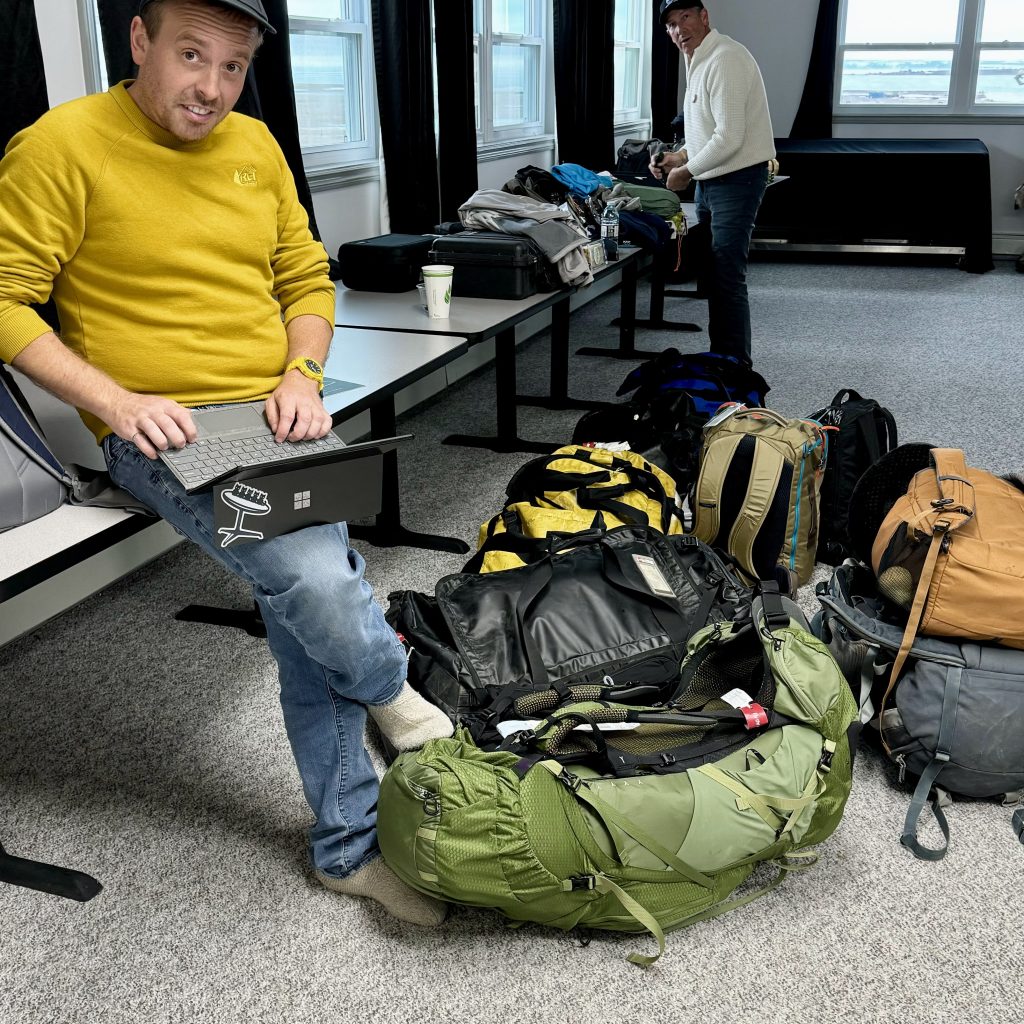
Back at the lodge, we finished up the evening with a true weight study to solve our flight capacity issue. All crew members, their gear, and habitat supplies were individually weighed to create a weight full profile via a weight calculator I had developed weeks prior. Each crew member leaned out their personal gear, and the team discussed all habitat supplies their criticality to the mission. We needed to get under 2800 lbs of humans and equipment, and we were initially at more than 2900 lbs. Not only did we get down to 2740 lbs, but we also came up with last-minute contingencies to shed excess water and food supplies if we need to go as low as 2300 lbs. With all of the day’s objectives complete (except the obvious Devon Island landing), we headed to bed, ready for a more prepared attempt to our Mars analog.
Some parting thoughts: today was a day where a lot of our crew were able to shine. Whereas yesterday was full of introductions and sharing experiences, I began to see what each officer, engineer, and specialist bring to the table. And during the weight study, the team had to make some mildly tough calls and work through differing opinions on the importance of different gear. Although we didn’t get to the habitat tonight, some of the solid planning today has an opportunity to help us recover schedule by being more effective as a team once we arrive.